A Practical Guide to Collagen Induction Therapy
Fine lines around the mouth, acne scarring on the cheeks, uneven texture, and a tired-looking complexion often have one thing in common: the skin needs support to renew itself. This guide to collagen induction therapy explains how microneedling works, what results are realistic, and why a thoughtful treatment plan matters more than simply choosing the strongest device or deepest setting.
What Collagen Induction Therapy Does
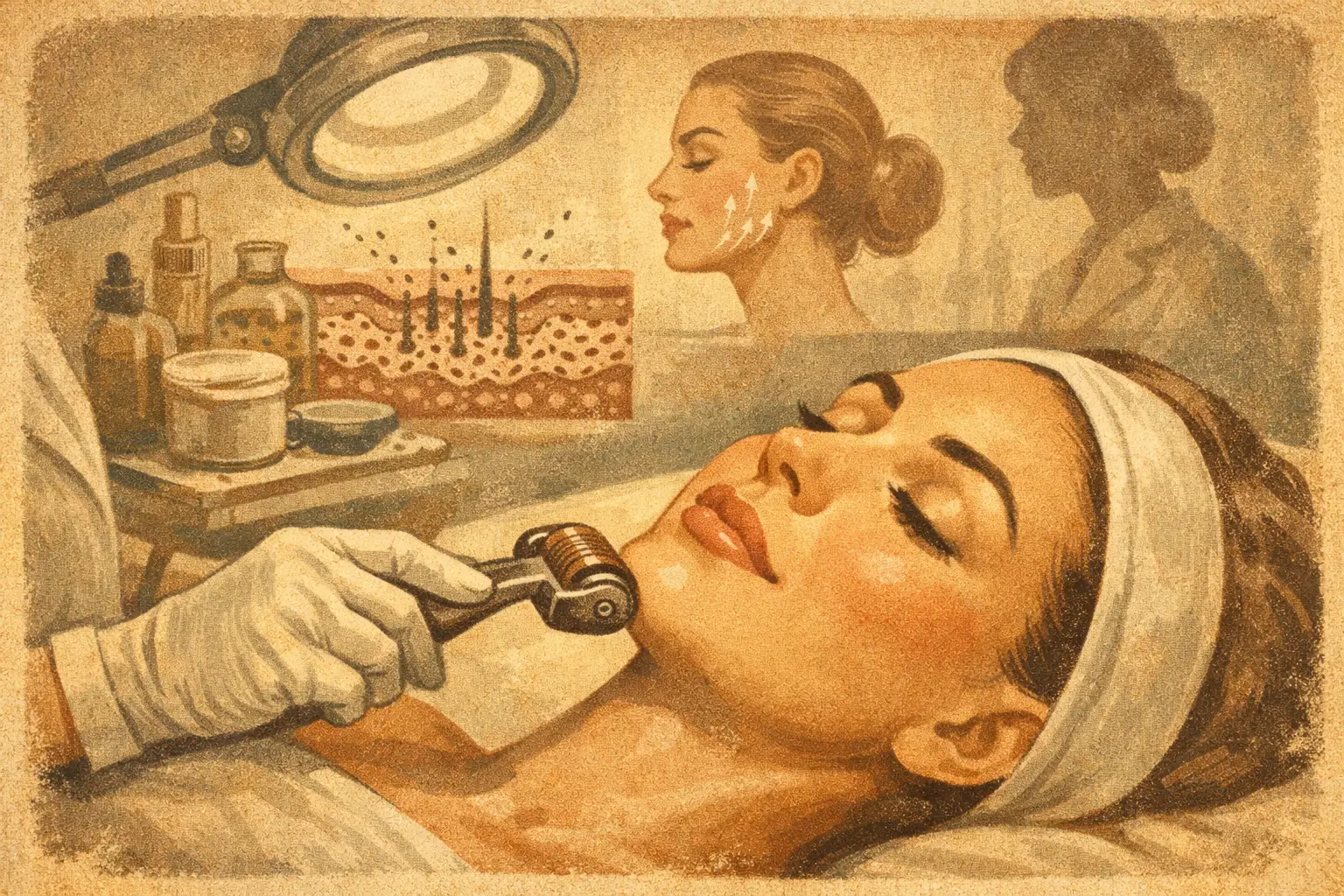
Collagen induction therapy, commonly called microneedling, is a professional skin treatment that uses very fine, sterile needles to create controlled microchannels in the skin. These tiny channels trigger the skin’s natural repair response. As the skin recovers, it produces new collagen and elastin, the proteins that help support a firmer, smoother, more even-looking complexion.
The purpose is not to injure the skin aggressively. It is to create a precise, controlled stimulus that encourages healthy renewal. The treatment can also improve the absorption of appropriate topical products applied during or immediately after a session, although product selection should always be guided by a trained practitioner.
Collagen remodeling takes time. A treatment may leave the skin looking fresh and plump once initial redness settles, but deeper changes in texture, scars, and fine lines develop gradually over several weeks. This is one reason collagen induction therapy is best approached as a series and not as a one-time event before a major occasion.
Who May Benefit From Microneedling?
Microneedling can be a helpful option for adults concerned about early signs of aging, enlarged-looking pores, uneven skin texture, certain types of acne scarring, mild skin laxity, and dullness. It is also often chosen by people who want a treatment that works with the skin’s natural renewal process rather than relying on a more aggressive resurfacing procedure.
Still, suitability depends on the person, their skin history, and the concern being treated. Acne scars, for example, come in different forms. Some shallow scars may respond well to microneedling, while deeper ice-pick scars may require a different approach or a combination plan. Likewise, melasma and other pigmentation concerns require special care because inflammation can sometimes make discoloration worse.
A consultation should include discussion of your skin goals, current skincare routine, history of cold sores, medications, allergies, healing patterns, and any past reactions to treatments. People who are pregnant, using certain acne medications, prone to keloid scarring, experiencing an active skin infection, or dealing with uncontrolled inflammatory skin conditions may need to postpone treatment or seek medical guidance first.
What Happens During a Professional Treatment
A professional session begins with a skin assessment and thorough cleansing. Depending on the treatment area and depth, a topical numbing product may be used to make the experience more comfortable. The practitioner then works in a controlled pattern over the selected area, adjusting needle depth based on the location, skin thickness, and concern being addressed.
The forehead, cheeks, jawline, neck, and acne-scarred areas do not necessarily require the same depth. This is where professional judgment matters. More depth is not automatically better. Treatment settings should be selected carefully to encourage results while respecting the skin’s barrier and healing ability.
Most sessions take approximately 45 to 75 minutes, including preparation time. During treatment, many clients describe a light scratching sensation, pressure, or warmth. Afterward, the skin commonly looks pink to red and may feel warm, similar to a mild to moderate sunburn. The degree of redness varies with treatment intensity and individual sensitivity.
At IFAA Beauty Care, treatment planning is approached with the understanding that skin health and overall well-being are connected. Stress, sleep, hydration, home care, and inflammation can all influence how the skin looks and recovers. A one-on-one assessment helps keep the treatment focused on your needs instead of following a generic protocol.
Guide to Collagen Induction Therapy Preparation and Aftercare
Good results begin before the device touches the skin. For several days before treatment, avoid activities and products that may irritate the area. This commonly includes exfoliating acids, retinoids, scrubs, waxing, and excessive sun exposure. Your practitioner may give more specific instructions based on your current routine and the treatment being performed.
Before Your Appointment
Arrive with clean skin whenever possible, and tell your practitioner about any recent changes in your health or skincare. Do not minimize a new breakout, a cold sore, a rash, or increased sensitivity. Rescheduling is sometimes the safest choice, and it protects both the treatment outcome and your skin.
Avoid trying a new active serum or facial treatment shortly before microneedling. Skin that is already irritated has less reserve for a controlled treatment. Gentle cleansing, regular hydration, and daily sunscreen are usually the most supportive choices in the days leading up to your appointment.
The First 48 Hours
After treatment, keep care simple. Use the products recommended by your practitioner, avoid touching the area with unwashed hands, and do not apply makeup until your provider says it is appropriate. Skip heavy exercise, saunas, steam rooms, hot showers, swimming pools, and direct sun exposure for the recommended recovery period.
A gentle cleanser, a calming moisturizer, and broad-spectrum sunscreen are often the foundation of post-treatment care. The skin may feel dry, tight, or mildly itchy as it recovers. Do not pick at flaking skin or exfoliate to speed up the process. Let the barrier repair naturally.
The Following Week
Redness often improves within one to three days, though some people experience it longer. Dryness or light flaking can occur over the next few days. Continue avoiding strong exfoliants, retinoids, and other active ingredients until the skin is calm and your practitioner advises that you can return to them.
Sun protection is especially essential after microneedling. Freshly treated skin can be more vulnerable to irritation and uneven pigmentation from ultraviolet exposure. Consistent sunscreen use is not an optional extra if you want to protect the progress you are making.
Safety, Hygiene, and Realistic Expectations
Microneedling is not risk-free. Possible side effects include temporary redness, swelling, pinpoint bleeding, dryness, bruising, post-inflammatory pigmentation changes, infection, and irritation. Risks increase when treatment is performed on unsuitable skin, with poor sanitation, at an excessive depth, or with products that are not appropriate for use on compromised skin.
Professional protocols should use sterile, single-use needle cartridges and proper skin preparation. Ask questions about training, device quality, infection-control practices, and how the practitioner determines needle depth. A responsible provider will welcome these questions and will not promise perfect skin after one session.
Many clients begin with a series of three to six treatments, generally spaced four to six weeks apart. The right number depends on the concern, treatment intensity, skin response, and home care. Acne scarring often requires more patience than mild texture concerns. Maintenance sessions may be recommended once the initial series is complete.
Professional Treatment Versus At-Home Devices
At-home rolling and needling tools are widely available, but they are not equivalent to professional collagen induction therapy. At-home tools may provide superficial exfoliation or temporary product absorption benefits, yet they can also create unnecessary irritation, spread bacteria, or worsen pigmentation when used incorrectly.
A professional treatment allows for controlled depth, sterile equipment, individualized technique, and proper assessment of contraindications. This is particularly valuable for people treating scars, sensitive skin, deeper wrinkles, or uneven pigment. For beauty professionals, device selection and training are equally important. A reputable, regulated professional device should be used only within the practitioner’s education, licensing requirements, and local scope of practice.
The best time to begin is when you can give your skin the recovery, consistency, and sun protection it deserves. A calm, well-planned approach usually delivers more meaningful results than chasing a quick fix.


Comments