
What a Skincare Professional Really Does
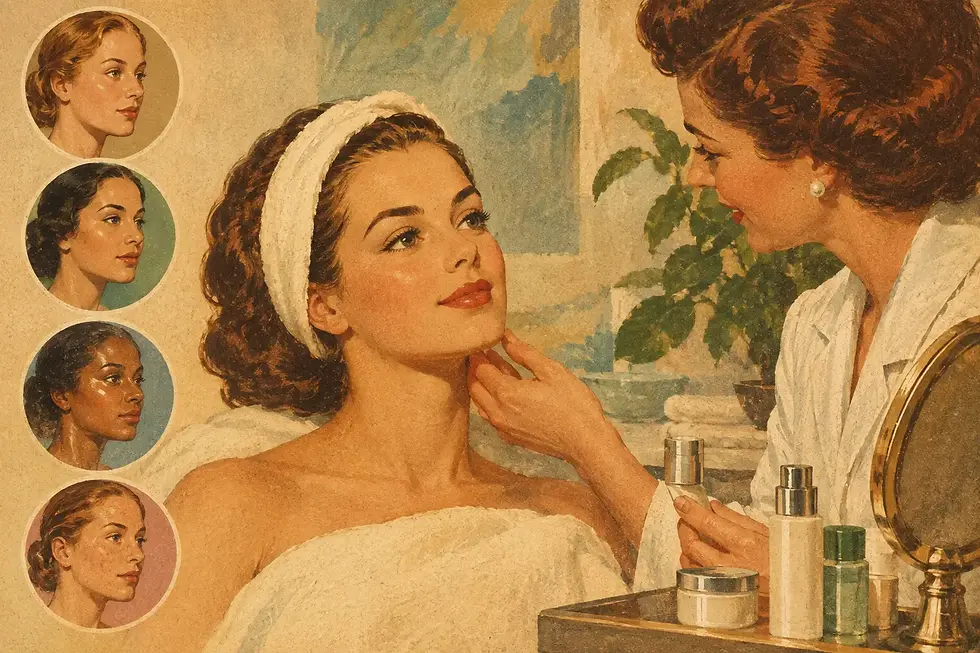
You can usually tell when someone has been treated by a true skincare professional. The skin does not just look polished for a day. It looks calmer, healthier, and more balanced over time. That difference rarely comes from one trendy product or a rushed facial. It comes from trained hands, careful assessment, and a treatment plan that respects both the skin and the person living in it.
For many people, skincare gets confusing because the market is crowded with advice. One product promises glow, another promises repair, and social media often turns complex skin conditions into quick fixes. Real skin therapy does not work that way. Skin responds to age, stress, hormones, inflammation, barrier health, lifestyle, and sometimes deeper wellness imbalances. A skilled practitioner looks at the full picture before deciding what the skin actually needs.
Why a skincare professional matters
A skincare professional does more than perform treatments. The role starts with observation and clinical judgment. That includes reading the condition of the skin, asking the right questions, recognizing patterns, and understanding when a concern needs cosmetic support, barrier repair, or a referral to another type of provider.
That distinction matters. Dry skin is not always simply dry. Breakouts are not always acne in the usual sense. Redness can come from sensitivity, over-exfoliation, heat, stress, or a compromised barrier. Pigmentation can be tied to sun exposure, inflammation, hormones, or post-treatment irritation. If the starting point is wrong, the treatment plan will usually be wrong too.
This is why experience counts. Training gives a practitioner technical knowledge, but years of hands-on work build pattern recognition. A seasoned professional can often spot when a client has been over-treating at home, when the skin is reacting to too many actives, or when visible skin issues are being intensified by tension, fatigue, or internal stress.
What a skincare professional should assess first
The best appointments are not built around a menu. They begin with the skin in front of them. That means examining texture, congestion, dehydration, sensitivity, elasticity, tone, and healing response. It also means asking about routine, medications, stress levels, recent procedures, and goals.
A client may come in asking for aggressive resurfacing because they want faster results. Sometimes that is appropriate. Sometimes it is the exact wrong choice. If the barrier is already inflamed, pushing the skin harder can prolong irritation and make the complexion less stable. A good practitioner knows when to treat actively and when to slow down.
This is also where a holistic approach can be valuable. Skin does not function in isolation. Facial tension, poor circulation, sleep disruption, and chronic stress can all affect how the skin looks and feels. Integrative care does not replace good esthetics. It supports it. In the right hands, skin therapy can be paired with body-based or wellness-focused care in a way that helps clients feel better overall, not just look better after one session.
Skin results are rarely one-size-fits-all
People often ask for the best treatment for acne, aging skin, scarring, or dullness. The honest answer is that it depends. The same concern can show up very differently from one person to another.
Take acne as an example. One client may need deep but gentle professional cleansing, home care correction, and barrier repair. Another may benefit from a progressive series that includes advanced procedures such as microneedling later on, once active inflammation is under better control. For early aging, one person may respond well to hydration, massage, and collagen-supportive treatments, while another may need targeted corrective work for texture and uneven tone.
There is a reason good practitioners avoid promising instant transformation. Skin usually improves through consistency, timing, and the right treatment intensity. Too little may do nothing. Too much may trigger setbacks. The right approach sits in the middle and changes as the skin changes.
When advanced treatments make sense
One sign of a qualified skincare professional is knowing how and when to use advanced tools. Microneedling is a good example. It can be helpful for concerns such as acne scarring, textural irregularities, and signs of aging when used correctly, with proper training, sanitation, and treatment planning.
But advanced treatments are not magic on their own. They depend on skin selection, contraindication screening, proper depth, safe technique, and aftercare. They also depend on using devices that meet professional standards. This is especially important in a market where low-quality devices and at-home misuse have become common.
For beauty professionals looking to offer microneedling, equipment choice matters just as much as technique. A device that is approved and sourced through an authorized professional distributor gives more confidence than one purchased through a vague online listing. That matters for treatment quality, client trust, and professional responsibility.
How to choose the right skincare professional
Credentials are a good starting point, but they are not the whole story. Look for a practitioner who can explain why they are recommending a treatment, not just what the treatment is called. You want someone who can adjust the plan when your skin changes, rather than repeating the same service every visit because it is on the menu.
It also helps to pay attention to communication style. A trustworthy practitioner is clear, calm, and realistic. They should be able to tell you what they see, what is possible, what may take time, and what could make your skin worse. If every answer sounds like a sales pitch, that is worth noticing.
Personalized care is another important factor. In an appointment-based setting, one-on-one attention allows for better assessment and continuity. That often leads to stronger long-term results because the practitioner is actually following your progress instead of treating each visit like a reset.
For clients in areas such as Whitby, Ajax, Toronto, and the broader Durham region, this kind of care can be especially valuable. Many people are no longer looking for a generic spa experience. They want informed support from someone who understands both corrective skin work and the broader factors affecting wellness.
The value of a practitioner-led approach
There is a quiet difference between a treatment that feels pleasant and a treatment that is guided with purpose. Both can be relaxing, but only one is built around professional judgment. That is where practitioner-led care stands apart.
A skilled skincare professional is not guessing. They are drawing on training, observation, and repeated experience with real skin over many years. They understand that beauty and wellness often overlap. A tense jaw can affect facial comfort. Stress can show up in the skin. Poor recovery habits can reduce the benefit of advanced services. Treating the person as a whole does not make care less professional. In many cases, it makes it more effective.
That is part of what shapes the work at IFAA Beauty Care. The approach is grounded in professional skin therapy, but it also respects the broader state of the client. For some people, that means focused skin correction. For others, it means combining skincare support with therapies that address tension, stress, or overall balance.
What clients should expect from a skincare professional
You should expect honesty before hype. You should expect sanitation, thoughtful treatment planning, and attention to detail. You should expect your concerns to be heard fully, even if the answer is not the quick fix you hoped for.
You should also expect your practitioner to care about what happens between appointments. Home care, lifestyle habits, recovery time, and consistency all matter. Professional treatments can move the skin forward, but daily habits either support those gains or work against them.
The best skin work often feels steady rather than dramatic. Less irritation. Better texture. More balanced hydration. Gradual improvement in tone and resilience. That kind of progress may not always be flashy, but it is usually what healthy skin looks like.
A skincare professional is not there to chase trends for you. They are there to interpret your skin with knowledge, treat it with care, and help you make choices that hold up over time. If you find someone who does that well, the value goes far beyond a single appointment.
Good skin rarely comes from doing more. More often, it comes from doing what is appropriate, at the right time, with the right hands guiding the process.


Comments