
What Is Professional Skin Care?
A client may tell you, "I use good products, but my skin still feels reactive, dull, or congested." That is usually the moment when the question comes up - what is professional skin care, really? It is not just facials, expensive creams, or a luxury appointment. Professional skin care is a structured, trained approach to improving skin health with proper assessment, targeted treatments, and ongoing guidance that fits the person, not just the trend.
For many people, the confusion starts because the beauty industry uses the same language for very different things. A relaxing spa facial, a clinical acne program, a corrective peel, and a customized skin therapy plan may all be described as skin care. But they are not the same in purpose or depth. Professional skin care begins with expertise. It means your skin is being evaluated and treated by someone trained to understand skin condition, product function, treatment timing, contraindications, and how lifestyle factors can affect results.
What Is Professional Skin Care in Practice?
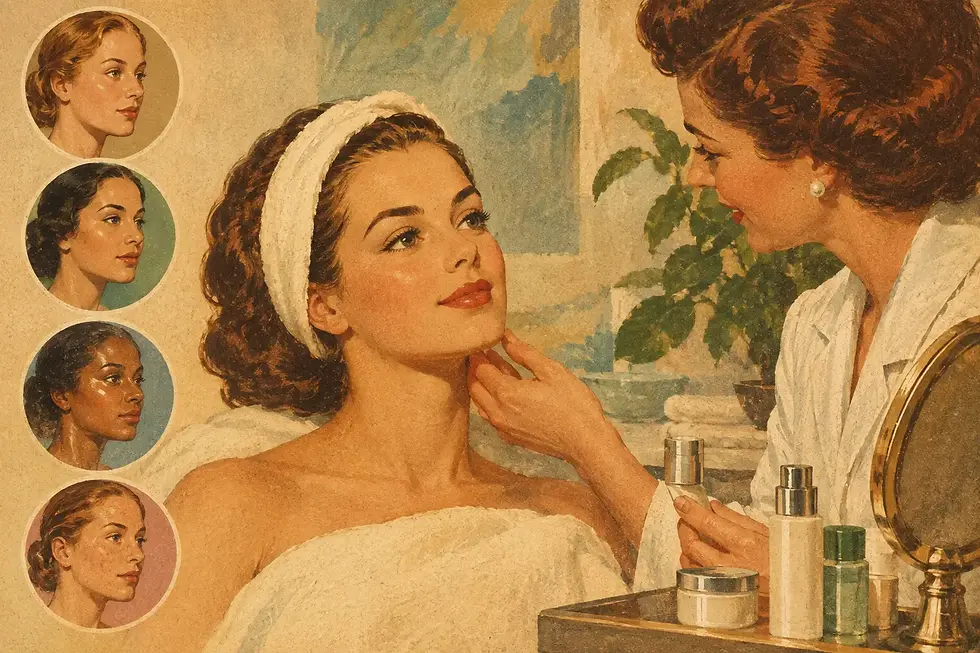
In practice, professional skin care is care delivered with intention. It starts with a close look at your skin's current condition, your history, your sensitivities, your goals, and the patterns behind what you are experiencing. That may include dryness, acne, uneven tone, redness, texture changes, dehydration, early aging, or skin that seems unpredictable.
The professional part matters because skin concerns often overlap. For example, a person may think they have dry skin when the real issue is barrier damage. Someone else may assume they need anti-aging products, but their skin may first need calming, hydration, and repair. Without proper assessment, it is easy to buy products that work against each other or choose treatments too aggressive for the skin's current state.
Professional skin care is also not one-size-fits-all. Two people with breakouts may need very different plans. One may need deep cleansing, exfoliation, and oil balance. Another may need inflammation support, barrier repair, and a simplified home routine because overuse of active ingredients is making the problem worse. Good skin therapy is personal.
The Difference Between Professional and Over-the-Counter Skin Care
Over-the-counter products can absolutely play a role in healthy skin. Many people maintain very good skin with a consistent home routine. But home care has limits, especially when concerns are persistent, complex, or tied to deeper imbalance.
Professional skin care offers three things most retail shopping does not. First, it provides trained skin analysis. Second, it gives access to treatment protocols and professional-strength methods that are used with proper judgment. Third, it connects treatment room care with realistic home care, so progress continues between appointments.
This does not mean stronger is always better. In fact, one of the biggest misconceptions is that professional care must be intense to be effective. That is not true. Sometimes the most professional approach is to slow down, calm the skin, rebuild tolerance, and avoid over-treating. Real expertise shows up in knowing when to do less.
What Professional Skin Care Usually Includes
A professional skin care plan usually begins with consultation and observation. The practitioner looks at your skin type, condition, current routine, medical or sensitivity history, and environmental factors. Sleep, stress, hormones, diet, and tension can all affect the skin. If those factors are ignored, treatment may only address the surface.
From there, treatment is chosen based on what the skin can handle and what it needs most. This may include deep cleansing, exfoliation, extractions, hydration therapy, calming treatments, masks, LED support, corrective facials, or advanced services such as microneedling when appropriate. Not every service suits every person, and not every concern should be treated aggressively at the first visit.
A professional plan also includes home care recommendations. That part is often underestimated. Treatment room results are supported by what you do every day. The right cleanser, moisturizer, active ingredients, and sun protection can make a major difference. The wrong routine can undo progress quickly.
What Is Professional Skin Care Meant to Improve?
Professional skin care can help improve many common concerns, but the goal is not just appearance. Healthy skin tends to look better because it functions better. When the barrier is stronger, hydration improves. When congestion is managed properly, inflammation often settles. When circulation and cell turnover are supported appropriately, the skin can appear smoother and brighter.
People often seek professional skin care for acne, post-acne marks, dehydration, sensitivity, uneven texture, fine lines, enlarged pores, dullness, and loss of firmness. Others come because their skin no longer responds to the products they have at home. In many cases, they need a clearer plan rather than more products.
There is also an emotional side to skin concerns. When skin feels inflamed, unpredictable, or visibly stressed, confidence can drop. A professional setting gives people a chance to be heard, assessed properly, and guided with more clarity. That alone can reduce the trial-and-error cycle that frustrates so many clients.
Why a Holistic Approach Matters
Skin does not exist in isolation. Stress, poor sleep, inflammation, tension, hormones, and general wellness can all show up on the face. That is why a more holistic view of professional skin care can be especially helpful. A treatment plan may focus on the skin itself, but it should still respect the whole person.
This is where experience matters. A practitioner who understands both skin therapy and broader wellness patterns can often recognize when the skin needs support, not force. For some clients, that means combining corrective work with calming treatments. For others, it means spacing services properly and helping them build routines they can actually maintain.
At IFAA Beauty Care, that practitioner-led and holistic perspective is part of what makes care feel more personal. Clients are not moved through a generic service menu. They are assessed as individuals with real concerns, real stressors, and different levels of skin resilience.
Advanced Treatments and Professional Judgment
When people hear the term professional skin care, they often think of advanced procedures. These can be very effective, but only when they are chosen carefully. Microneedling is one example. In the right hands, with proper screening and aftercare, it can support texture improvement, post-acne concerns, and overall skin rejuvenation. But it is not suitable for everyone at every moment.
This is where professional judgment becomes essential. An experienced practitioner knows when a client is a good candidate, when the skin should be prepared first, and when another treatment would be safer or more useful. The same is true for peels, exfoliation programs, and intensive correction work. Good care is not about doing the newest treatment. It is about doing the right treatment at the right time.
For beauty professionals themselves, this standard matters even more. Devices and advanced methods should be backed by proper training, safety awareness, and regulatory confidence. Professional skin care is built on responsibility as much as results.
How to Know If You Need Professional Skin Care
You do not need severe skin issues to benefit from professional care. Sometimes the clearest sign is simply that your skin has become confusing. If you keep switching products, reacting to trends, or seeing only temporary improvement, expert guidance can save time, money, and irritation.
You may also benefit if your skin changes with age, stress, hormones, or seasonal shifts and your usual routine no longer works. Many adults reach a point where they want more than surface-level advice. They want someone to assess what is happening and explain it in a way that makes sense.
That said, professional skin care is not about replacing your role in your own skin health. It works best as a partnership. The practitioner provides knowledge, treatment planning, and skilled care. The client provides consistency, communication, and patience. Results often come from that combination, not from a single appointment.
Choosing the Right Professional
Not every provider works the same way. Some focus mainly on relaxation, some on corrective esthetics, and some bring in a more integrative wellness perspective. None of these approaches is automatically wrong, but the right fit depends on your needs.
Look for a practitioner who asks questions, explains recommendations clearly, respects your skin's limits, and does not push treatments you do not need. Credentials, hands-on experience, and a thoughtful consultation process matter. So does the ability to adapt. Skin is not static, and a good professional does not treat it as if it were.
If you have been wondering what is professional skin care, the simplest answer is this: it is skilled, individualized care that treats the skin with knowledge and the person with attention. When that care is done well, it does more than improve appearance. It helps you understand your skin, respond to it properly, and build results that feel steady rather than temporary.
The best place to start is not with the strongest product or the most dramatic treatment. It is with a careful assessment and a plan that respects where your skin is today.


Comments