Microneedling Devices for Safer Professional Care
A microneedling treatment is only as thoughtful as the professional plan behind it. Microneedling devices can create controlled microchannels in the skin, but the visible result depends on much more than turning on a pen and selecting a depth. Skin history, treatment area, cartridge selection, sanitation, pressure, pace, and aftercare all shape the experience.
For clients seeking firmer-looking skin, smoother texture, or support for the appearance of acne scarring, microneedling may be a valuable professional option. For estheticians and other qualified skin professionals, it is a service that calls for training, sound judgment, and a device designed for professional use.
What Microneedling Devices Are Designed to Do
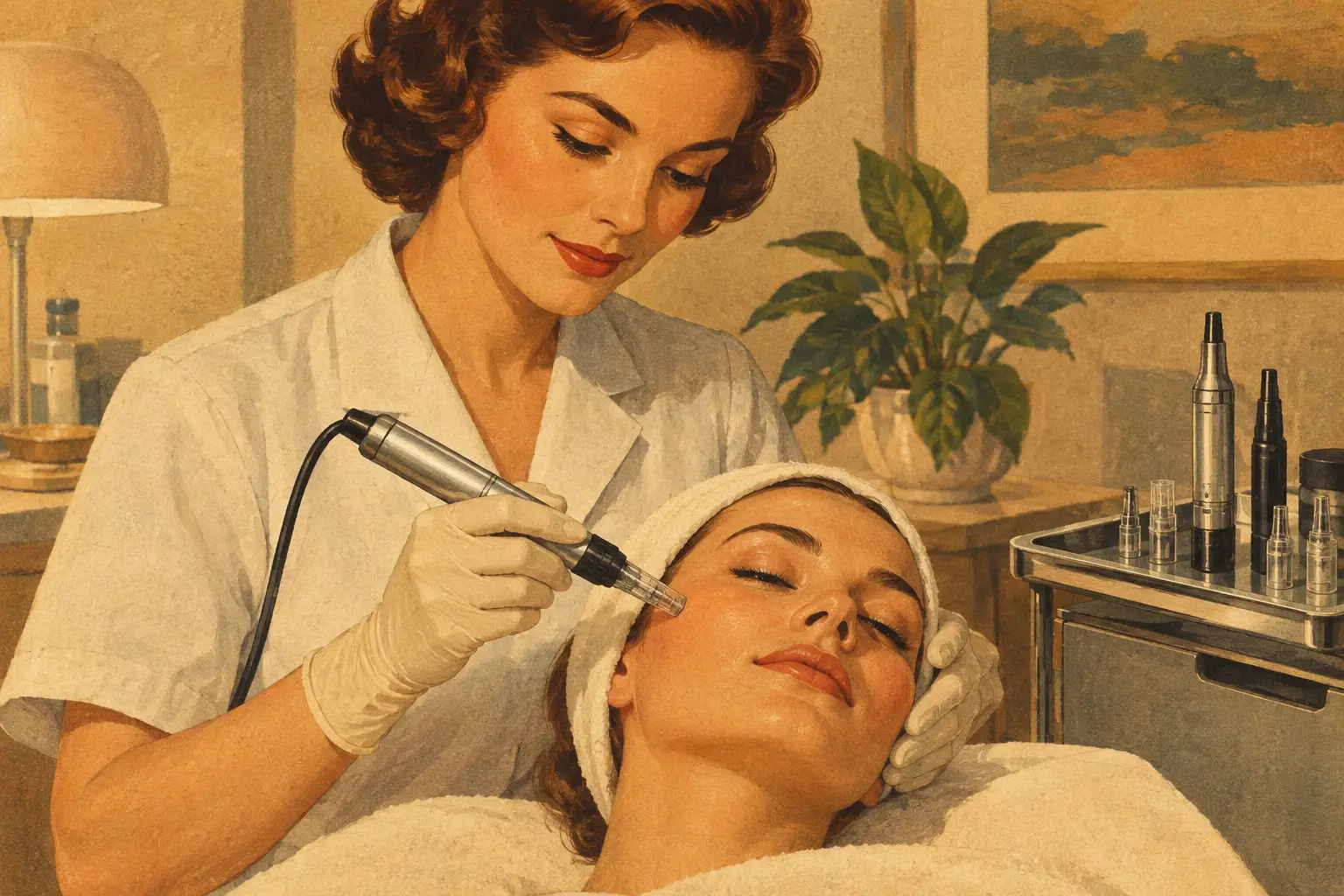
Professional microneedling devices use a motorized pen and a sterile, single-use needle cartridge to create precise, controlled punctures in the skin. This process is intended to support the skin's natural renewal response. Over a series of appropriately spaced treatments, clients may notice improvements in the look of uneven texture, enlarged pores, fine lines, and certain types of scarring.
The word “controlled” matters. A professional device should deliver consistent needle movement and allow the practitioner to adjust treatment settings according to the skin area and the individual protocol. Thin, delicate skin around the eyes is not approached the same way as the cheeks, and skin with active irritation should not be treated simply because a client wants a quick result.
Microneedling is not a one-size-fits-all facial. It is a clinical-minded skin service that benefits from a careful consultation and a calm, measured approach.
Choosing Microneedling Devices for Professional Practice
When professionals compare devices, price alone should not make the decision. An inexpensive device with inconsistent needle depth, poor cartridge quality, or limited support can create unnecessary risk for the practitioner and client alike. A professional purchase should be evaluated as part of a long-term treatment standard, not as a short-term equipment purchase.
Start with device status and supplier credibility. Professionals should understand how the device is represented in their market, whether it has the appropriate clearance or authorization, and whether the supplier can provide legitimate product information, operating guidance, and replacement cartridges. Regulatory language should be accurate. A device’s clearance or authorization does not give a practitioner permission to work outside their scope, nor does it replace hands-on education.
Cartridge design is equally significant. Single-use, sterile cartridges help support proper infection-control practices. They should fit securely, be stored correctly, and be opened in front of the client when appropriate. A practitioner should never attempt to reuse a cartridge, even if it appears clean.
Reliable speed and depth controls also allow for more considered treatment planning. The goal is not to use the deepest setting possible. The right setting is the one that fits the client’s skin condition, treatment area, tolerance, and professional protocol. More aggressive does not automatically mean more effective, and excessive inflammation can delay recovery.
At IFAA Beauty Care, the Dr. Pen A20 is offered to beauty industry professionals as an authorized Canadian distribution option. The device is Health Canada-approved and FDA-cleared, but responsible use still begins with professional training, consultation, and a clear understanding of local scope-of-practice requirements.
A Consultation Should Come Before the Device
A good microneedling consultation looks beyond the concern a client sees in the mirror. A practitioner should ask about current skincare products, recent treatments, medications, allergies, healing history, and any tendency toward post-inflammatory discoloration or abnormal scarring. This conversation helps determine whether treatment is appropriate now, should be modified, or should be postponed.
Microneedling is commonly deferred when there is active acne inflammation, an open wound, a skin infection, a herpes simplex outbreak, significant sunburn, or uncontrolled skin irritation. Pregnancy, use of certain medications, recent isotretinoin use, blood-clotting concerns, and a history of keloid scarring may require further medical guidance or a decision not to proceed. The details depend on the individual, which is why a form alone is not enough. The practitioner must review the answers and use professional judgment.
Clients should also understand that improvement is gradual. The skin needs time to recover and respond between sessions. A treatment series may be recommended depending on the concern, but promises of instant transformation are not realistic or ethical.
Skin Preparation Affects Safety and Comfort
Before treatment, the skin should be thoroughly cleansed and assessed again. Makeup, surface oils, and unsuitable topical products have no place in a procedure that creates microchannels. The treatment environment should be clean, organized, and prepared before the client arrives.
During the procedure, the professional should use controlled passes rather than repeatedly working one area. Excessive pressure or repeated passes can cause avoidable trauma. The desired endpoint is determined by the protocol and area being treated, not by dramatic redness. A measured practitioner watches the skin closely and adapts when needed.
Aftercare Is Part of the Treatment
The hours after microneedling are not an afterthought. Skin may look red and feel warm or tight, similar to a mild sunburn. This temporary response can be expected, but clients need clear guidance on how to protect the skin while it settles.
For the first day or two, a simple, gentle routine is usually best. Clients should avoid makeup when advised, strenuous exercise, heat exposure, saunas, swimming pools, and direct sun. They should not use exfoliating acids, retinoids, scrubs, or strong active products until the skin has recovered and the practitioner has advised that it is appropriate. Daily sun protection becomes especially important during the healing period.
A professional should provide aftercare instructions in writing and explain what is normal versus what needs attention. Persistent swelling, increasing pain, unusual discharge, or signs of infection warrant prompt medical assessment. Practitioners should not dismiss a client’s concern because redness is common. Listening carefully and responding appropriately are part of safe care.
Home Rollers and Professional Treatments Are Not the Same
Many clients see at-home rollers or needle tools online and assume they are equivalent to professional microneedling. They are not. Home tools can be difficult to sanitize properly, may create uneven punctures, and can lead people to over-treat skin without recognizing irritation or contraindications. Applying strong serums afterward can further increase the risk of a reaction.
This does not mean every client needs an intensive procedure. Some skin concerns are better supported through barrier repair, professional exfoliation, calming facials, lifestyle changes, or referral to a dermatologist. A trusted practitioner does not recommend microneedling simply because they own a device. They recommend it when it suits the client’s skin, goals, and capacity for proper aftercare.
Training Builds Confidence With Microneedling Devices
For professionals, formal education should cover more than operating a pen. Training should include skin anatomy, contraindications, sanitation, cartridge handling, treatment planning, informed consent, adverse-response procedures, and recordkeeping. It should also address the limits of the practitioner’s role and when referral is the best next step.
Experience develops through attentive practice. Each appointment offers information: how the skin responds, whether the client followed aftercare, whether the selected protocol was appropriate, and whether the treatment plan needs adjustment. Keeping clear client records supports continuity and helps professionals make better decisions at future visits.
The strongest microneedling work is rarely the most aggressive. It is careful, personalized, hygienic, and supported by honest communication. When a device is paired with skilled hands and respect for the skin’s healing process, clients can feel cared for rather than rushed.


Comments