What Is Skin Therapy and How It Helps
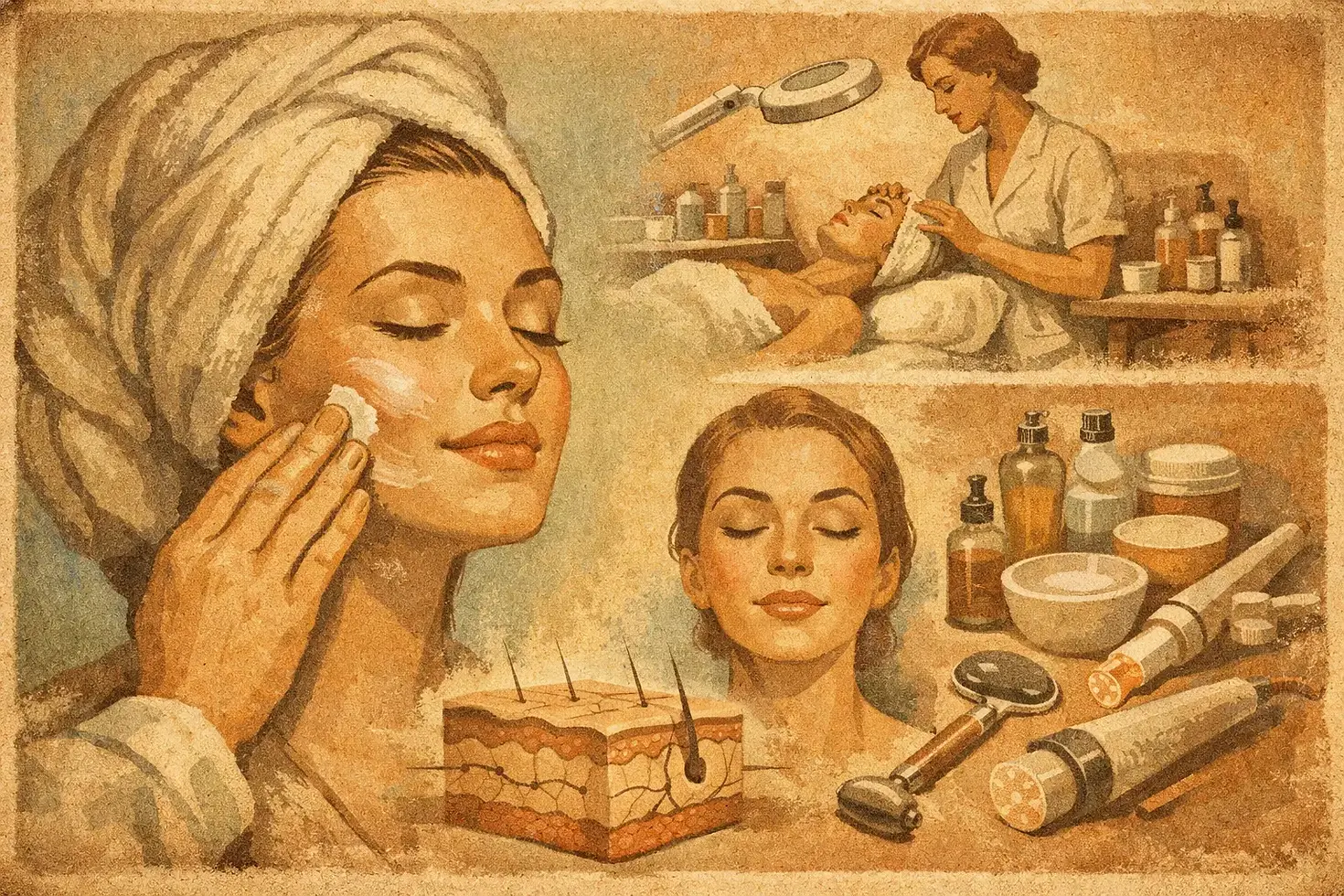
A lot of people ask what is skin therapy when they are frustrated with facials that feel relaxing in the moment but do not change much afterward. That question usually comes up when skin is reacting, breaking out, feeling dry, or looking tired, and over-the-counter products are no longer enough. Skin therapy is not just about pampering the skin. It is a professional, targeted approach to improving skin health through assessment, treatment, and ongoing care.
At its core, skin therapy looks at what your skin is doing now, why it is behaving that way, and what kind of support will help it function better. That can include professional treatments, home care guidance, and in some cases a broader look at stress, inflammation, lifestyle, and body tension. The goal is not to chase quick fixes. The goal is to help the skin become healthier, stronger, and more balanced over time.
What Is Skin Therapy?
Skin therapy is a practitioner-led treatment process designed to address specific skin concerns while supporting the overall condition of the skin. Unlike a basic beauty service that follows the same routine for everyone, skin therapy is personalized. It starts with observation and analysis. A trained practitioner considers skin type, sensitivity, hydration levels, congestion, texture, tone, and the client's history before deciding what treatment is appropriate.
This matters because two people can have what looks like the same concern and need completely different care. One person with acne may need support for inflammation and barrier repair. Another may need deeper exfoliation, careful extraction, and changes to home products. The same is true for dryness, redness, pigmentation, and signs of aging.
In practice, skin therapy may include deep cleansing, exfoliation, hydration, calming treatments, microneedling, massage-based techniques, and professional-grade modalities chosen for a clear purpose. It is both corrective and supportive. It works on visible concerns, but it also helps improve the skin's resilience.
How skin therapy is different from a regular facial
A regular facial can be beneficial, especially for maintenance and relaxation. But skin therapy usually goes further. The difference is intention.
A standard facial often follows a familiar pattern - cleanse, exfoliate, mask, moisturize. Skin therapy uses those steps only if they fit the client's condition. The treatment is adapted based on what the skin can tolerate and what result is being worked toward. If the skin barrier is compromised, aggressive exfoliation may be avoided. If the skin is congested but also reactive, the treatment may need to balance clearing and calming rather than pushing too hard in one direction.
That is where experience matters. Good skin therapy is not about doing more. It is about doing what is right for that skin on that day.
What concerns can skin therapy help with?
Skin therapy can help with a wide range of concerns, although results depend on the condition, the client's consistency, and the right treatment plan. It is commonly used for acne and post-acne marks, dehydration, dullness, rough texture, uneven tone, sensitivity, early signs of aging, and loss of firmness.
For some clients, the main concern is visible. They want smoother skin, fewer breakouts, or a brighter complexion. For others, the issue is comfort. Their skin stings, reacts easily, or never feels settled. Both are valid reasons to seek treatment.
There are also cases where skin concerns are tied to stress, hormonal shifts, sleep disruption, or internal imbalance. In those situations, a more holistic approach can be helpful. Skin does not exist in isolation. When the body is under strain, the skin often shows it.
The skin barrier matters more than most people realize
One of the most overlooked parts of skin therapy is barrier support. The skin barrier is the outer defense layer that helps keep moisture in and irritants out. When it is healthy, the skin tends to look calmer and feel stronger. When it is damaged, the skin may become dry, red, tight, inflamed, or unpredictable.
Many people damage their barrier without realizing it. They use too many active products, over-exfoliate, switch routines constantly, or treat every breakout with harsh ingredients. Skin therapy helps correct that pattern. Sometimes the best professional advice is to simplify, calm the skin, and rebuild tolerance before doing stronger corrective work.
This is one reason a personalized treatment plan is so valuable. Skin that is pushed too aggressively often gets worse before it gets better, and sometimes it never improves until the approach changes.
What happens during a skin therapy appointment?
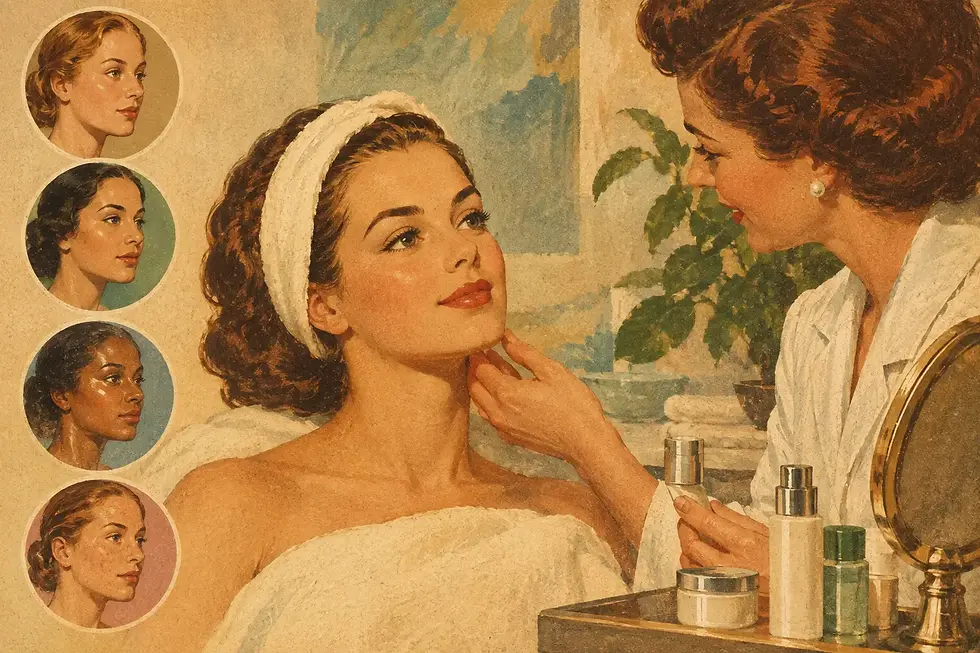
A proper skin therapy appointment should feel focused and individualized. It usually begins with a conversation about your concerns, your current skincare routine, your health history, and any triggers you have noticed. The practitioner then assesses the skin directly and selects a treatment based on what they see and what your skin can handle.
That treatment may be calming, corrective, restorative, or a mix of all three. In some cases, a series of treatments is recommended instead of expecting everything from one visit. That is especially true for concerns like acne scarring, uneven texture, or pigmentation.
Clients are often surprised to learn that progress comes from consistency more than intensity. A skilled practitioner will usually think in stages. First calm the skin, then strengthen it, then work on correction. That approach is often more effective than jumping straight into aggressive treatments.
Is microneedling part of skin therapy?
Yes, microneedling can be part of skin therapy when it is appropriate for the client's skin and performed professionally. It is commonly used to support collagen production, improve texture, soften the appearance of scars, and help with overall skin renewal.
That said, microneedling is not for everyone at every stage. If the skin is inflamed, actively breaking out, highly sensitive, or not properly prepared, it may need a different treatment first. This is where a professional assessment is essential. A device or treatment on its own is not the whole answer. Timing, skin condition, technique, and aftercare all matter.
For professionals, device quality and regulatory approval also matter. In a clinical setting, results depend not only on the modality itself but on training, hygiene, and correct treatment planning.
Why a holistic view can improve skin results
Some skin issues respond best when treatment goes beyond the surface. Stress, poor sleep, muscle tension, and nervous system overload can all affect circulation, inflammation, healing, and skin behavior. That does not mean every skin concern is caused by wellness issues, but it does mean a broader view can be useful.
A holistic practitioner may notice patterns that are easy to miss in a rushed appointment. For example, chronic tension in the face, jaw, neck, and shoulders may affect circulation and overall skin vitality. Ongoing stress can contribute to flare-ups, delayed healing, and dullness. Supporting the body while treating the skin can make the work more complete.
This is especially helpful for clients who do not want a one-size-fits-all service. They want someone to look at the full picture and make thoughtful decisions based on both skin science and lived experience.
What skin therapy is not
Skin therapy is not a promise of instant perfection. It is also not a substitute for medical care when a condition needs diagnosis or prescription treatment. Some concerns, such as severe acne, persistent rashes, or unusual pigmentation, may require collaboration with a physician or dermatologist.
It is also not about using the strongest treatment available. Stronger is not always better. The right treatment is the one your skin can respond to safely and steadily.
This is where trust matters. A good practitioner does not recommend a treatment because it sounds impressive. They recommend it because it fits your skin, your goals, and your current condition.
Who benefits most from skin therapy?
People benefit most from skin therapy when they are ready for a more intentional approach. That often includes clients who feel stuck with recurring skin problems, those who want guidance instead of guesswork, and those who value one-on-one care over a generic spa experience.
It is also a good fit for clients who want visible improvement but still want their care to feel personal and grounded. At IFAA Beauty Care, that kind of approach makes sense because skin health is treated as part of overall well-being, not as a stand-alone cosmetic issue.
If you have been asking what is skin therapy, the simplest answer is this: it is professional care designed to help your skin function better, look healthier, and receive the kind of support that matches your individual needs. The best place to start is not with the trendiest treatment, but with an experienced assessment and a plan that respects both your skin and your whole self.


Comments